Why Go2BDC Owns Its Own Data Center for Marketing Campaigns
Go2BDC owns its own data center because choosing who receives a campaign is part of the work we take responsibility for. Over the years, we have worked millions of verified records in campaigns for hundreds of dealerships and for businesses that sell to other businesses and directly to consumers.
Consider a dealer with work vans to sell. A plumbing contractor ten miles away and a household that bought a minivan last spring might share a ZIP code. Only one of them has an obvious reason to ask about cargo space, shelving or how soon a van can go into service. An email address and a distance from the showroom tell you very little until someone who understands the offer decides what else matters.
That decision is why we own our data center. It gives the people responsible for a campaign a direct role in preparing its audience. For a dealer principal or business owner, the advantage is practical. When you ask why we chose a market, why a customer was excluded or who should receive a reply, those questions belong to the team running your campaign.
What our data center does before the first email
We start with the decision you want someone to make. Are you asking a previous customer to bring a vehicle in for service? Inviting a local fleet operator to review replacement options? Opening a new location where few people know your name? Each of those goals calls for a different selection of records, even when the businesses share an address.
Our team uses the data center to prepare the audience around the offer, the territory you serve and the records available for that purpose. We review eligibility, check for duplicates and exclude people who have opted out. For some campaigns, specialist data partners help identify relevant audiences. We confirm the audience available for your market before launch.
Suppose your second store opens across town. The owner knows which neighborhoods send customers to the original store and which ones are easier to reach from the new address. That local knowledge changes the brief. We can focus a new prospect invitation on the second store’s market and give existing customers a separate message explaining where the new location is and why they might use it.
What millions of verified records have taught us
We have worked millions of verified records across years of campaigns. The figure that matters to your store is smaller and more specific. How many eligible records fit this offer, in this market, for this campaign? A dealer with a single service lane should get a different answer from a dealer group planning appointments across several rooftops.
Verification also has a specific meaning in our work. We check records for campaign use, review the audience against the brief and account for duplicates and exclusions. A verified record tells us whom we can consider for outreach. A reply tells us something different and often more valuable. It might be a buyer asking for an appointment, a customer who already sold the vehicle or a business owner who wants the conversation routed to a colleague. Each answer calls for a different next step.
When you compare proposals, ask for three figures separately. How many records will the team work directly? What paid advertising, if any, is included? How many appointments did people actually book? One customer can receive email, see an ad and book a single visit. Adding those activities together would give the general manager a poor picture of what happened.

What hundreds of dealerships bring to the work
Our team comes from dealership ownership and operations. Years of running campaigns for hundreds of dealerships have shaped the questions we ask before we agree on an audience. Which units can the store show this week? Who can answer a trade question on Saturday? If a customer asks for service, will the reply reach someone who can put a vehicle on the schedule?
Picture two dealerships with the same number of usable customer records. One needs to bring past buyers back for trade appraisals. The other has a service department with open appointments on weekday afternoons. The first invitation should tell an owner what to bring and who will look at the vehicle. The second should make it easy to choose a service time. Sending both stores the same campaign would waste what the customer file already tells us.
The business development center, or BDC, is where those decisions become visible. If a shopper asks whether the cargo van has a high roof, a BDC representative needs the question, the vehicle and a way to reach the shopper. A notification that says only “new lead” makes the customer start over. Our Buyer Alerts carry the message and context so the dealership can pick up where the buyer left off.
Existing customers and new prospects need different invitations
CRM reactivation begins with an eligible customer file you are authorized to use. A previous service visit, purchase or inquiry can give someone a good reason to recognize your name. The invitation should reflect what the business actually knows. If all you have is an old inquiry, a simple invitation to look again is more credible than a message that assumes the person still owns a particular vehicle.
Verified Conquest is how we introduce your business to new prospects in a selected market. The first message has to earn the reader’s time. Who are you? Why would a visit be worthwhile? What can the customer do next? When a campaign uses both CRM and conquest audiences, we keep them separate and review overlap. A longtime customer should never have to wonder why their own dealer is introducing itself for the first time.
How the same discipline works in B2B and D2C campaigns
In a business to business campaign, or B2B, the person who receives the invitation may be one of several people involved in the purchase. Take the contractor considering a work van. The owner might approve the budget, while a fleet manager knows which equipment must fit. A useful invitation gives either reader a specific reason to reply and makes it easy to bring the right colleague into the conversation. A private consultation can be a better first appointment than a showroom visit.
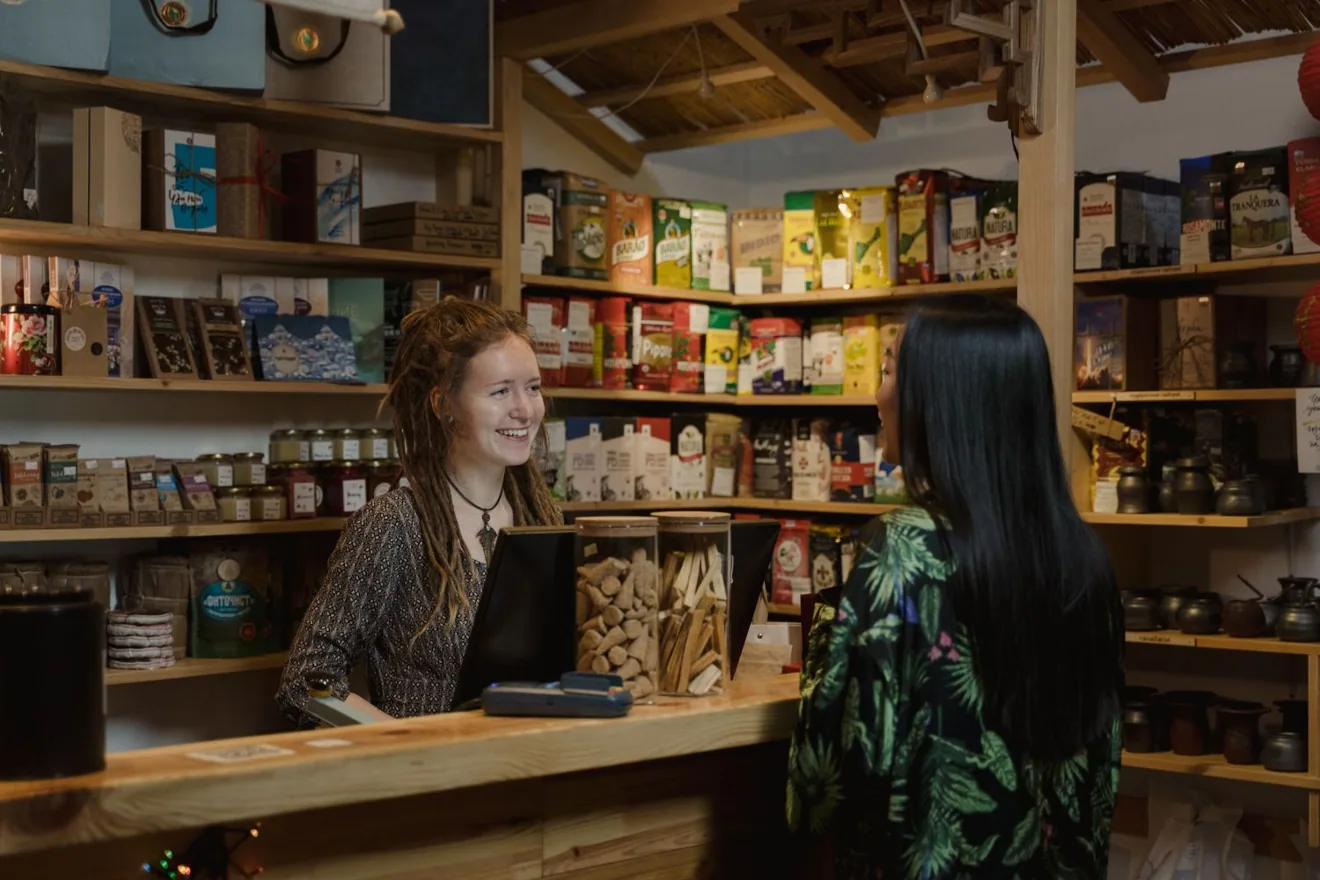
Direct to consumer work, or D2C, asks a different question. What can one person reasonably decide today? A local specialty retailer inviting customers to a fitting can offer a time, a location and a clear idea of what to bring. If the retailer also sells wholesale, its buyers need a separate invitation about product range, order timing or an account review. The same business can serve both audiences. Its messages should sound as though someone understands the difference.
Experience across those markets is especially useful for dealers who sell both retail and commercial vehicles. The showroom shopper asking about a family SUV and the business owner replacing a delivery van can live on the same street. We can plan around both opportunities while giving each buyer a relevant invitation and a person equipped to respond.
Who owns the reply after the campaign starts?
In our managed 30 day campaigns, we plan ten emails per verified record worked. People can reply directly, and outreach stops when someone opts out. Our Performance Desk monitors activity and handles incoming responses during the campaign. Interested buyers can choose a time on the business’s branded booking calendar. Your staff controls appointment availability and handles questions that require its knowledge, including inventory, trade values, service details and pricing.
Here is a useful test before launch. Ask what happens if a customer replies, “I can come Thursday after five, but only if the van is there.” Your team should know who checks the vehicle, who answers the buyer and who confirms the time. If the store closes at five, that also needs an answer. Working through one ordinary reply can reveal more about a campaign plan than a presentation full of audience totals.
Questions to ask about campaign data
Can we run a campaign if our CRM file is small?
Yes. We can check available conquest records against the offer and territory you want to reach. A new location can introduce itself to prospects while the business builds its own customer relationships.
How do we decide how large the audience should be?
Start with the inventory, appointment capacity and geography you can support. A marine dealer inviting buyers to see a particular boat may reasonably draw from a wider area than a service shop filling routine maintenance appointments. The available records and the goal should guide that decision.
What does data center ownership mean for my customer file?
Your CRM file enters the campaign for the agreed purpose. We review eligible records and exclusions for that use. You can read our data processing terms for details about how Go2BDC handles client data.
Where can I see how Go2BDC runs a campaign?
Our dealership campaign guide walks through audience selection, delivery and appointment handling. If you already have an offer in mind, tell us what you want people to come in for. That is the first question our team needs to answer before we recommend a single record.