Why Marine Buyers Are Not RV Buyers, and Why Dealership Campaigns Must Respect the Difference
Every high-ticket dealership sells to buyers with serious intent, real money at stake, and a longer decision path than ordinary retail.
That is where the similarities end.
An automotive buyer does not think like an RV buyer. An RV buyer does not move like a marine buyer. A powersport buyer does not respond like a commercial vehicle buyer. An aviation prospect does not enter the process with the same expectations as someone comparing a truck, boat, or motorcycle.
The category changes the psychology.
That matters because campaigns that ignore buyer psychology often create activity without creating appointment movement. They may generate impressions, clicks, traffic, or awareness, but they do not always create the real outcome a dealership owner cares about.
A buyer who responds.
A buyer who schedules.
A buyer who moves closer to the showroom, the sales conversation, or the private consultation.
Go2BDC was built around that difference. The company runs appointment-driven campaigns for Automotive, RV, Marine, Powersport, Aviation, and Commercial Vehicle dealers that need more than generic marketing activity. The goal is to help dealers activate verified audiences, wake up current and past customers, reach new market buyers, and create more opportunities to sell.
Buyer psychology changes by category
High-ticket buyers do not all move for the same reason.
Some are motivated by payment pressure. Some are motivated by lifestyle. Some are motivated by seasonality. Some are motivated by work demand. Some are motivated by privacy, access, status, or time savings.
When a campaign treats every buyer the same, it loses the nuance that makes the appointment possible.
A buyer does not schedule because a dealership sent a message. A buyer schedules because the message connects to something they already care about, and the next step feels worth taking.
That connection is different in every vertical.
This is why Go2BDC does not treat dealership campaigns like interchangeable templates. Publicly, the method is simple. Understand the buyer environment, prepare the audience, create relevance, support market familiarity, capture response, and move qualified interest toward a booked appointment.
The proprietary strategy stays protected.
The outcome stays clear.
More real conversations. More appointments. More chances to sell.
Automotive buyers are often moved by practical pressure
Automotive buyers frequently think in terms of payment, trade position, vehicle age, mileage, credit path, replacement timing, and household needs.
Many are not shopping because they want to browse forever. They are waiting for a reason to act. Their current payment may feel too high. Their vehicle may be aging. Their mileage may be climbing. Their lease or loan timing may be changing. Their credit situation may need a structured review. Their household may need a different vehicle.
Automotive campaigns work when they connect to those real buying moments without sounding generic.
A campaign that simply tells people to browse inventory is usually too weak. It does not create enough reason for the buyer to move from interest to appointment.
The stronger approach is to create a structured conversation around the buyer’s current situation, future need, possible replacement timing, and reason to review options with the dealership.
That is how automotive campaigns move from awareness into appointment opportunity.
RV buyers need confidence before urgency
RV buyers do not usually move the same way automotive buyers move.
An RV is not just transportation. It is lifestyle, travel, family time, future plans, comfort, affordability, storage, maintenance, confidence, and timing all wrapped into one decision.
Many RV buyers take longer to act because the purchase is connected to the version of life they are imagining. They may visit a dealership, go home, watch videos, talk with a spouse, compare floorplans, rethink budget, and return weeks or months later when the decision feels more real.
That means RV campaigns cannot rely only on pressure.
The buyer needs confidence. Confidence in the unit. Confidence in the dealership. Confidence in the timing. Confidence that the next step will be helpful and not overwhelming.
A strong RV campaign respects the length of the decision cycle. It keeps the dealership present, relevant, and easy to re-engage with when the buyer is ready to move.
The goal is not to force urgency where the buyer needs reassurance. The goal is to create enough confidence for the buyer to schedule.
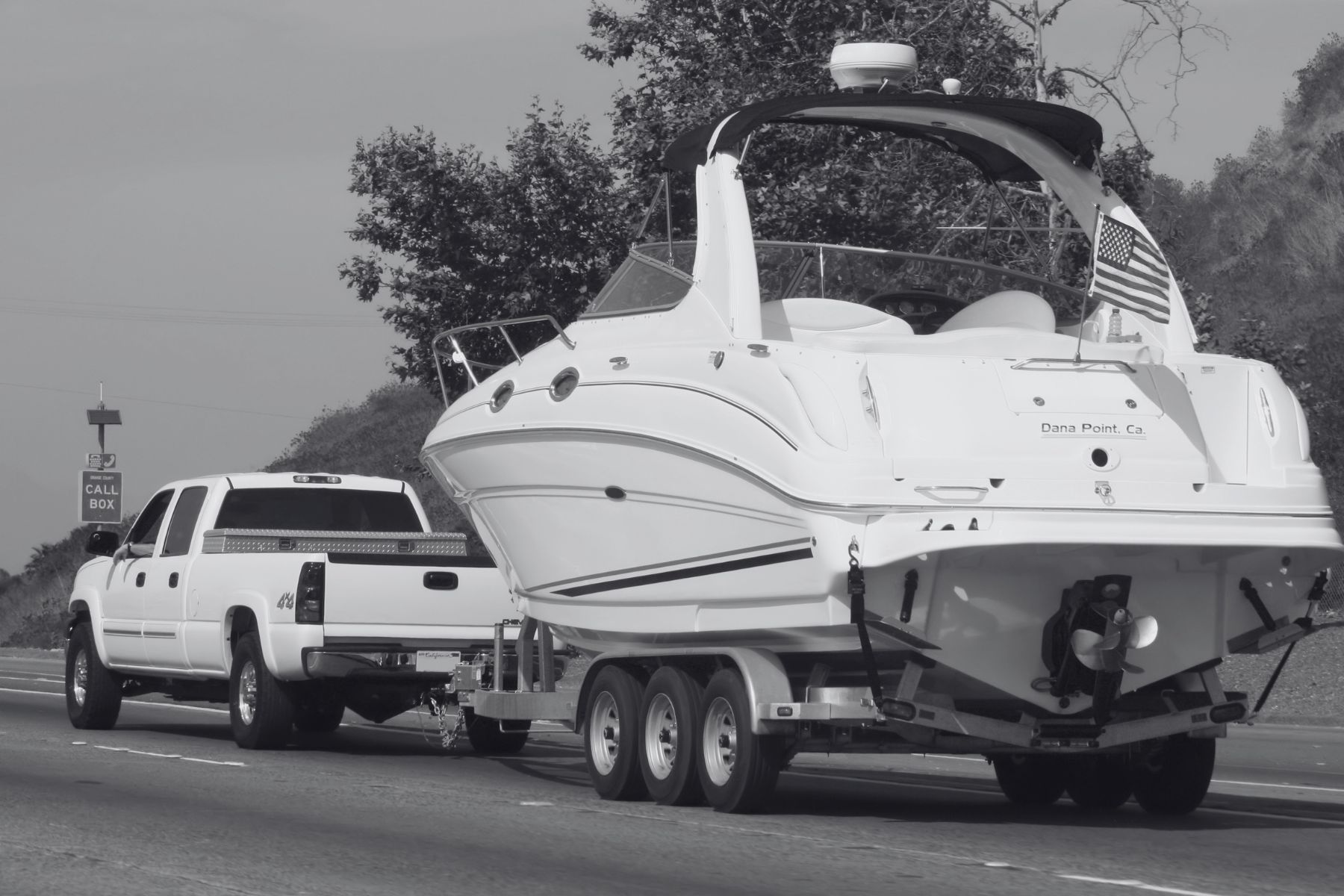
Marine buyers are driven by aspiration and seasonality
Marine buyers are different again.
A boat is rarely a purely rational purchase. It is tied to identity, weekends, family memories, freedom, status, water access, lifestyle, and the emotional picture of what ownership feels like.
Nobody needs a boat the way they need transportation.
People want the experience that comes with boat ownership.
That means marine campaigns need to speak to aspiration while still respecting practical ownership concerns. Cost, maintenance, storage, seasonality, availability, usage, and timing all matter. But the emotional driver is often stronger than the practical one.
Marine buyers also move around seasonal windows. Spring demand feels different than late-season opportunity. Current owners may upgrade when their lifestyle changes, when their family needs change, when they outgrow their current boat, or when a specific model creates excitement.
A strong marine campaign does not treat the buyer like an automotive shopper. It builds around season, aspiration, ownership confidence, and the moment when the buyer can imagine themselves on the water.
That is when appointment movement becomes possible.
Powersport buyers respond to identity and timing
Powersport buyers are often enthusiasts first.
Motorcycles, ATVs, UTVs, side-by-sides, personal watercraft, and similar categories are not purchased only for function. They are tied to identity, excitement, freedom, weekend plans, rider culture, and the feeling of being part of something.
That makes powersport campaigns different from automotive or RV campaigns.
The buyer may care about inventory and payment, but they also care about how the unit fits who they are. A rider thinking about a touring bike is not the same as someone looking at a sport bike. A side-by-side buyer is not always motivated by the same triggers as a cruiser buyer. A seasonal rider may move when weather, timing, and excitement come together.
The campaign has to respect that.
A generic inventory message often falls flat because it ignores the emotional connection to the category. A stronger campaign understands enthusiasm windows, seasonal timing, new model interest, upgrade behavior, and the reason a buyer wants to ride in the first place.
Powersport appointment movement begins when the campaign feels connected to the buyer’s identity, not just the dealership’s inventory.
Aviation prospects require trust and discretion
Aviation is not a dealership category that should be treated like retail traffic.
Private aviation prospects move through a different decision environment. They may be considering charter access, fractional options, jet card programs, private travel alternatives, ownership paths, route needs, time savings, privacy, and service expectations.
The buyer psychology is more private, more consultative, and more trust-based.
Aviation campaigns should not feel like mass retail advertising. They need to create credibility. They need to support a serious private conversation. They need to respect the buyer’s need for discretion, fit, and confidence.
The appointment path is different too.
The goal is not to drive a walk-in showroom visit in the same way an automotive campaign might. The goal is often to create a private consultation with a qualified prospect who is open to reviewing whether a specific aviation access model fits their travel, budget, and lifestyle.
That requires a more careful campaign tone.
In aviation, trust is not a detail. It is the door into the conversation.
Commercial Vehicle buyers are solving business problems
Commercial Vehicle buyers do not usually move because of lifestyle aspiration.
They move because there is a business reason.
A contractor may need a pickup because the current unit is aging. A company may need cargo vans because demand is growing. A fleet manager may need replacement units because downtime is expensive. A business owner may need work-ready vehicles because capacity is limiting revenue.
This buyer is often thinking about utility, uptime, financing structure, replacement timing, job requirements, payload, configuration, and business cash flow.
A campaign aimed at commercial vehicle buyers has to respect that logic.
Consumer-style messaging often misses the mark because the buyer is not only asking whether they like the vehicle. They are asking whether it helps them work, deliver, expand, replace, or reduce operational risk.
A strong campaign creates a reason to review business-use needs, replacement timing, fleet condition, and available vehicle fit.
Commercial Vehicle buyers respond when the campaign speaks to business reality, not just product appeal.
The same message cannot serve every market
This is where many dealership campaigns fail.
They use one campaign structure across multiple high-ticket categories and simply swap the product photo. The result may look efficient, but it rarely respects the way different buyers decide.
Automotive urgency does not work the same way in RV.
RV confidence building does not work the same way in powersport.
Marine aspiration does not work the same way in commercial vehicles.
Aviation discretion does not work the same way in automotive retail.
Each vertical has a different decision cycle, buyer emotion, timing window, and appointment trigger.
Go2BDC builds around that reality.
The company does not publicly reveal protected campaign names or proprietary campaign concepts, but the standard is clear. Campaigns must fit the buyer environment they are operating in.
That is the difference between generic marketing and appointment-driven campaign execution.
Appointment movement is the real measure
The point of vertical strategy is not to sound more sophisticated.
The point is to create more appointment movement.
A campaign that understands the buyer has a better chance of creating relevance. Relevance creates response. Response creates appointment opportunity. Appointment opportunity gives the dealership a real chance to sell.
That is the chain that matters.
Impressions and clicks may support the process, but they are not the final scoreboard. The dealership needs buyers who move closer to action.
This is why Go2BDC focuses on verified audience activation, CRM reactivation, verified conquest activation, Paid Market Targeting Ads, email engagement, buyer alerts, response handling, self-booking calendar access, and live human performance monitoring.
Each part of the system supports a practical dealership outcome.
More real conversations.
More booked appointments.
More chances to sell.
Known buyers and new buyers both matter
Every high-ticket dealership has two major sources of opportunity.
The first is known opportunity. These are current customers, past customers, prior inquiries, service records, aged leads, unsold prospects, dormant contacts, and other records the dealership may already have.
The second is new market opportunity. These are buyers outside the dealership database who may be thinking about a purchase, replacement, upgrade, consultation, or ownership change but have not yet connected with the store.
Go2BDC campaigns are built to help activate both.
Known buyers can be brought back into motion through CRM reactivation. New buyers can be reached through verified conquest activation and paid market support. The campaign then works to move qualified interest toward a real appointment path.
The vertical strategy changes by category.
The objective does not.
Get buyers into motion.
A serious dealership campaign must understand the buyer
Dealership owners know when a campaign feels generic.
They also know when it creates real opportunity.
A serious campaign must understand who the buyer is, why they move, what slows them down, what makes them trust the next step, and what type of appointment path fits the category.
The buyer psychology behind a boat purchase is not the same as the buyer psychology behind an RV, motorcycle, work vehicle, aircraft consultation, or automotive replacement.
That difference matters because the campaign is not trying to win attention for its own sake.
It is trying to create action.
Go2BDC is built for that standard.
The company helps Automotive, RV, Marine, Powersport, Aviation, and Commercial Vehicle dealers activate verified audiences, create buyer relevance, support market familiarity, and move qualified interest toward booked appointments and private consultations.
That is why vertical fit matters.
Because the right campaign does not just reach the buyer.
It understands why the buyer moves.
Learn more at go2bdc.com.